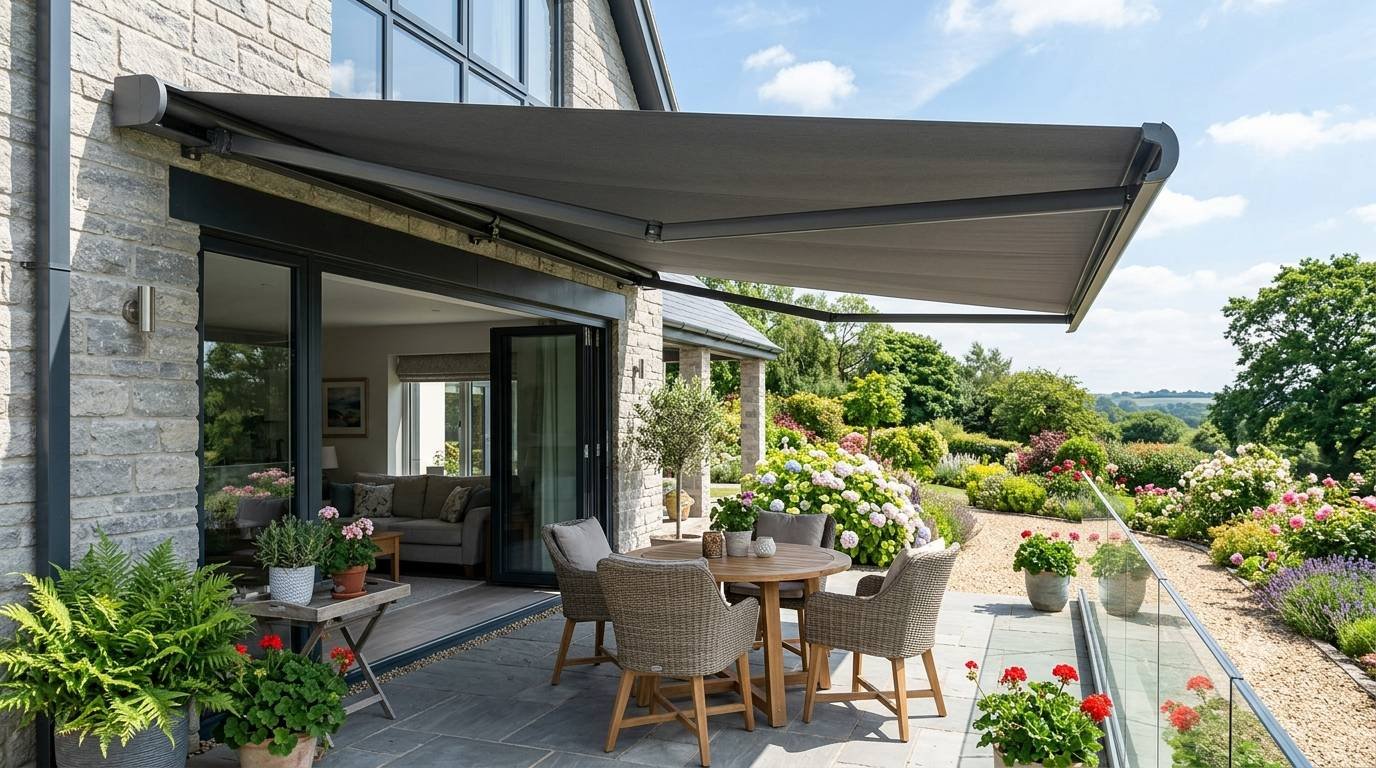
A British summer can change from sunshine to showers within minutes, yet many gardens are arranged only for dry weather. Designing for rain means creating shelter, drainage and practical storage without losing light or openness. A flexible outdoor space stays comfortable, useful and inviting despite an uncertain forecast all season.
Summer plans should not depend on a perfectly clear forecast. In Britain, brief showers, damp furniture and waterlogged patios can quickly send everyone indoors. A garden designed for mixed weather gives homeowners more opportunities to eat, relax and entertain outside. Installing a retractable waterproof awning can create reliable overhead protection while allowing the area to reopen fully when conditions improve. The wider design should also include suitable drainage, quick-drying furniture and sheltered storage. With these elements working together, an outdoor space becomes easier to use throughout an unpredictable British summer, not only during rare stretches of uninterrupted sunshine and warmth.
1. Begin with the Wettest Areas
Watch where water gathers after rainfall before changing the garden layout. Low points, blocked channels and paving that directs water towards the house can make an otherwise attractive patio uncomfortable.
Seating and dining areas should be positioned on stable, well-drained surfaces. Keep table legs away from soft ground and leave clear routes between the house, shelter and garden.
Check the Patio After Rain
A simple wet-weather inspection should cover:
- Areas where puddles remain
- Water flowing towards doors
- Slippery or uneven surfaces
- Overflowing gutters or channels
- Muddy routes used for access
Drainage problems should be addressed before adding furniture or permanent outdoor features.
2. Choose Shelter Made for Rain
Not every garden awning is intended for sustained rainfall. Standard sun awnings may provide shade and limited protection from a brief shower, but water resistance is not the same as full waterproof performance.
A retractable waterproof awning uses fabric designed to prevent rain from passing through. The pitch is also important because water needs to run off rather than collect on the surface. Correct measurement and installation help ensure the awning protects the intended area and operates safely.
Retraction provides useful flexibility. Homeowners can create cover when rain begins and restore an open patio when they want direct sunlight.
3. Plan What Happens to Rainwater
Shelter solves only part of the problem. Water leaving an awning must have somewhere suitable to go. Poor runoff can create splashes, puddles or concentrated water near doors and seating.
Ask where water will leave the awning and whether the surface below can manage it. Keep the runoff side away from main walkways where practical. Existing drainage channels should remain clear of soil, leaves and garden debris.
4. Select Furniture That Recovers Quickly
Outdoor furniture should cope with damp conditions even when placed beneath shelter. Wind-driven rain and moisture in the air can still reach cushions, frames and tables.
Practical choices include:
- Wipe-clean tables and chairs
- Rust-resistant frames
- Removable, quick-drying cushions
- Breathable furniture covers
- Raised storage boxes for soft furnishings
Avoid leaving wet cushions compressed inside an unventilated container. Allowing them to dry first can reduce unwanted odours and deterioration.
5. Make the Sheltered Area Comfortable
Rain protection should feel like part of the garden rather than an isolated structure. Arrange furniture so people can move easily between the house and patio without crossing wet planting beds.
Lighting can keep the space usable when dark clouds reduce natural brightness. Choose suitable outdoor-rated fittings and position cables where they will not create trip hazards or sit in water.
Keep the Layout Adaptable
Use lightweight seating or smaller tables that can be rearranged as conditions change. A flexible layout can support quiet relaxation, family meals or social occasions without overcrowding the covered area.
6. Balance Protection with Openness
Permanent roofs may reduce daylight even when no shelter is required. Retractable coverage allows homeowners to respond to changing conditions and preserve an open view of the sky.
Before installation, consider:
- The direction of common rainfall
- The area requiring protection
- Door and window positions
- Wall condition and fixing points
- The awning’s projection and pitch
A professional assessment can help determine suitable dimensions and confirm whether the proposed fixing surface is appropriate.
FAQs
1. Are All Retractable Awnings Waterproof?
No. Some fabrics are intended mainly for sun protection or light showers. Check whether the fabric is described as fully waterproof rather than water-resistant.
2. Can an Awning Stay Open in Strong Wind?
Retractable awnings should not be treated as storm shelters. Follow the supplier’s operating guidance and retract the awning when conditions exceed its intended limits.
3. Why Does Awning Pitch Matter?
A suitable angle encourages rainwater to run off. An inadequate pitch may allow water to collect on the fabric.
4. Can Outdoor Cushions Remain Outside All Summer?
Weather-resistant cushions still benefit from dry, ventilated storage during prolonged rain. Always follow the manufacturer’s care instructions.
5. What Should Be Planned Before Installation?
Measure the area, inspect the supporting wall, review drainage and decide where runoff should fall. Professional advice can confirm technical requirements.
Conclusion
A useful British garden should be designed for changing weather rather than occasional perfect days. Reliable overhead shelter, effective drainage and suitable furniture can keep a patio comfortable through many summer showers. Homeowners should first observe how rain behaves, then address puddles, slippery routes and unsuitable storage.
The sheltered zone should remain easy to reach, simple to rearrange and pleasant during both bright and overcast conditions. Lighting and quick-drying materials can extend its usefulness, while thoughtful runoff planning prevents one wet-weather problem from creating another. Wind limits and operating guidance must also be respected, as rain protection does not automatically mean storm protection. By combining practical landscaping with a properly specified retractable waterproof awning, homeowners can create a flexible outdoor area that responds to Britain’s changeable climate and allows the garden to remain part of everyday summer life