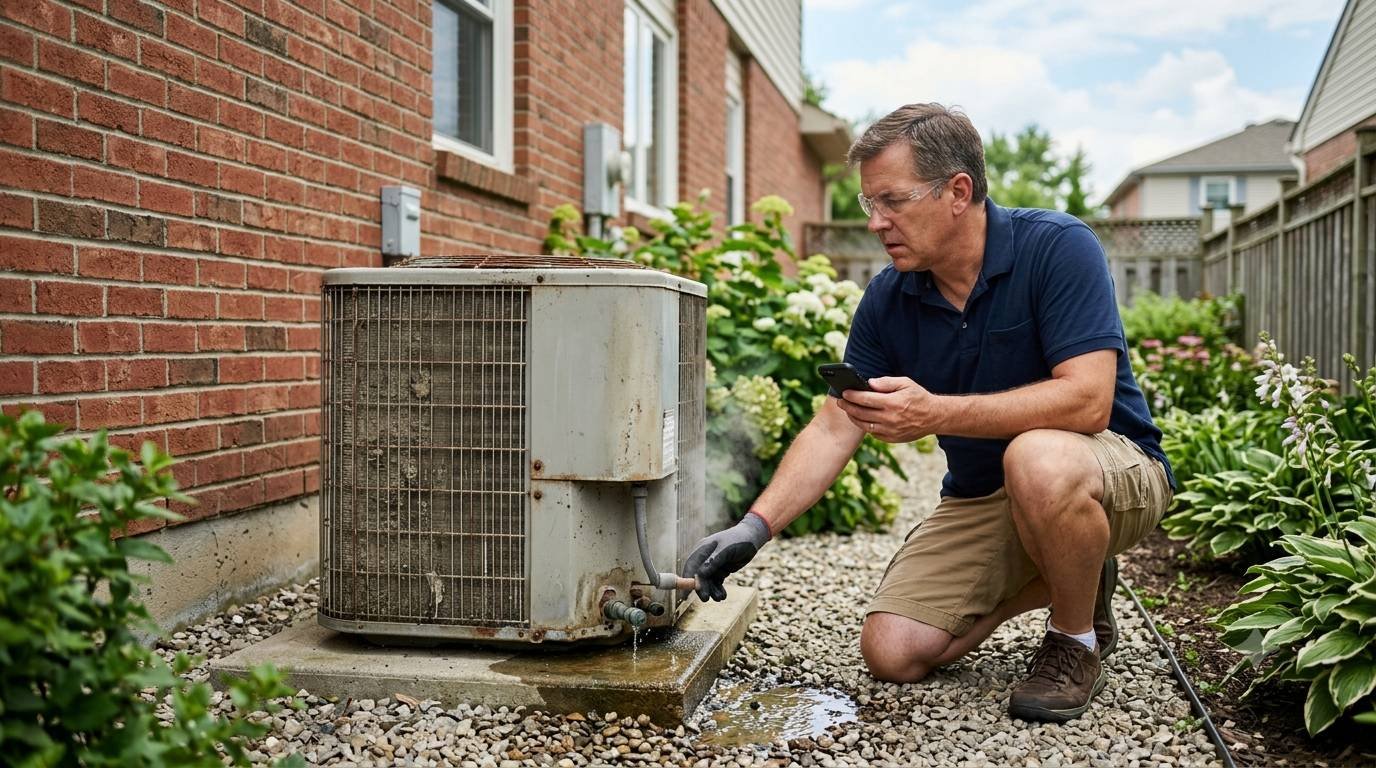
Your air conditioning system works hard all summer long, quietly keeping your home comfortable through scorching heat and humid days. But like any mechanical system, it gives off signals when something isn’t right. Ignoring those early warnings can turn a minor issue into a complete breakdown, leaving you sweltering and facing expensive emergency repairs.
Recognizing problems early lets you act before small glitches escalate. If you live in Conway, AR and spot any of these red flags, seeking prompt AC repair in Conway, AR can restore comfort quickly and prevent bigger headaches down the road.
Strange Noises from Your AC Unit
One of the most obvious warning signs is unusual sound coming from your indoor or outdoor unit. A properly functioning system runs relatively quietly. When you start hearing grinding, squealing, rattling, or banging, it’s time to pay attention.
Grinding often points to motor bearings that need lubrication or replacement. Squealing might indicate a slipping belt, while rattling could mean loose parts or debris trapped in the unit. Clicking sounds when the system tries to start can signal electrical issues.
Don’t assume these noises will go away on their own. Continuing to run a noisy unit can lead to further damage and higher repair costs. A professional inspection can identify the source and fix it before the problem worsens.
Weak or Warm Airflow
Turn up the thermostat expecting cool relief but instead feel lukewarm or barely moving air from the vents? This common complaint usually signals restricted airflow or a failing component.
Possible causes include a dirty air filter, clogged evaporator coils, low refrigerant levels, or problems with the blower motor. When airflow drops, your system has to work harder to cool the house, which strains the compressor and raises energy consumption.
Check and replace your air filter monthly during peak season as a first step. If that doesn’t solve it, deeper issues like refrigerant leaks or duct problems may be at play. Addressing these promptly improves efficiency and extends the life of your equipment.
Unexpected Spike in Energy Bills
Have your cooling costs suddenly climbed even though your usage habits haven’t changed? This is often one of the first financial clues that your AC needs attention.
An aging or struggling system loses efficiency and runs longer to maintain temperature. Dirty coils, low refrigerant, or failing capacitors force the unit to consume more electricity. Over time, this inefficiency adds up noticeably on your monthly statement.
While some seasonal increase is normal, a dramatic jump without extreme weather should prompt a closer look. Regular maintenance helps keep operating costs in check and catches developing problems early.
Water Leaks or Ice Buildup
Finding puddles near your indoor unit or noticing ice on the refrigerant lines is never a good sign. These issues usually stem from drainage problems or low refrigerant.
A clogged condensate drain line prevents water from exiting properly, leading to leaks inside your home. Ice formation typically indicates restricted airflow or refrigerant issues that reduce the system’s ability to absorb heat effectively.
Both situations can damage surrounding areas and lead to mould growth if left unaddressed. Professional technicians can clear drains, check refrigerant levels safely (which requires certification), and restore proper function.
Unpleasant Odors from the Vents
Musty, burning, or sour smells coming through your vents deserve immediate attention. Different odours point to different problems.
A musty smell often indicates mould or mildew growing in the damp environment of the evaporator coil or ductwork. Burning odors might mean electrical components are overheating, while a rotten egg smell could relate to a dead animal trapped in the system—uncommon but possible.
These odours affect indoor air quality and can pose health concerns, especially for those with allergies or respiratory conditions. Cleaning coils, replacing filters, and addressing moisture issues can eliminate the source and improve the air you breathe.
The Thermostat Isn’t Behaving Normally
Sometimes the problem isn’t the AC unit itself but how it’s being controlled. If your home isn’t reaching the set temperature, the system cycles on and off too frequently, or you notice large temperature swings between rooms, the thermostat could be the culprit.
Older programmable models can lose calibration or fail to communicate properly with the unit. Smart thermostats might have wiring issues or software glitches. Incorrect placement—near heat sources or in direct sunlight—can also cause inaccurate readings.
Upgrading to a modern, properly installed thermostat often solves these inconsistencies and improves overall comfort and efficiency.
Short Cycling and Frequent On/Off Behavior
Your AC should run in longer cycles rather than turning on and off every few minutes. Short cycling wastes energy, puts extra wear on components, and fails to dehumidify your home effectively.
Common causes include an oversized unit, low refrigerant, a dirty evaporator coil, or thermostat problems. Each rapid start taxes the compressor, which is one of the most expensive parts to replace.
Identifying the root cause early prevents premature system failure and keeps your home more comfortable.
When to Call for Professional Help
While some basic maintenance like changing filters is DIY-friendly, most AC issues require trained technicians. Attempting complex repairs yourself can void warranties, create safety hazards, or cause further damage.
Schedule annual professional tune-ups to catch problems before they become emergencies. During these visits, technicians clean components, check refrigerant levels, test electrical connections, and ensure everything operates at peak performance.
Stay Ahead of AC Trouble
Your air conditioning system represents a significant investment in home comfort. By staying alert to these warning signs, you can address issues while they’re still manageable instead of waiting for a total breakdown during the hottest days of summer.
Regular maintenance, prompt attention to changes in performance, and timely professional service are the best ways to maximize efficiency and longevity.
Don’t let minor problems turn into major expenses. Listen to what your AC is telling you and take action when you notice something off. Your future self—and your wallet—will thank you when the next heat wave hits and your system keeps running smoothly.