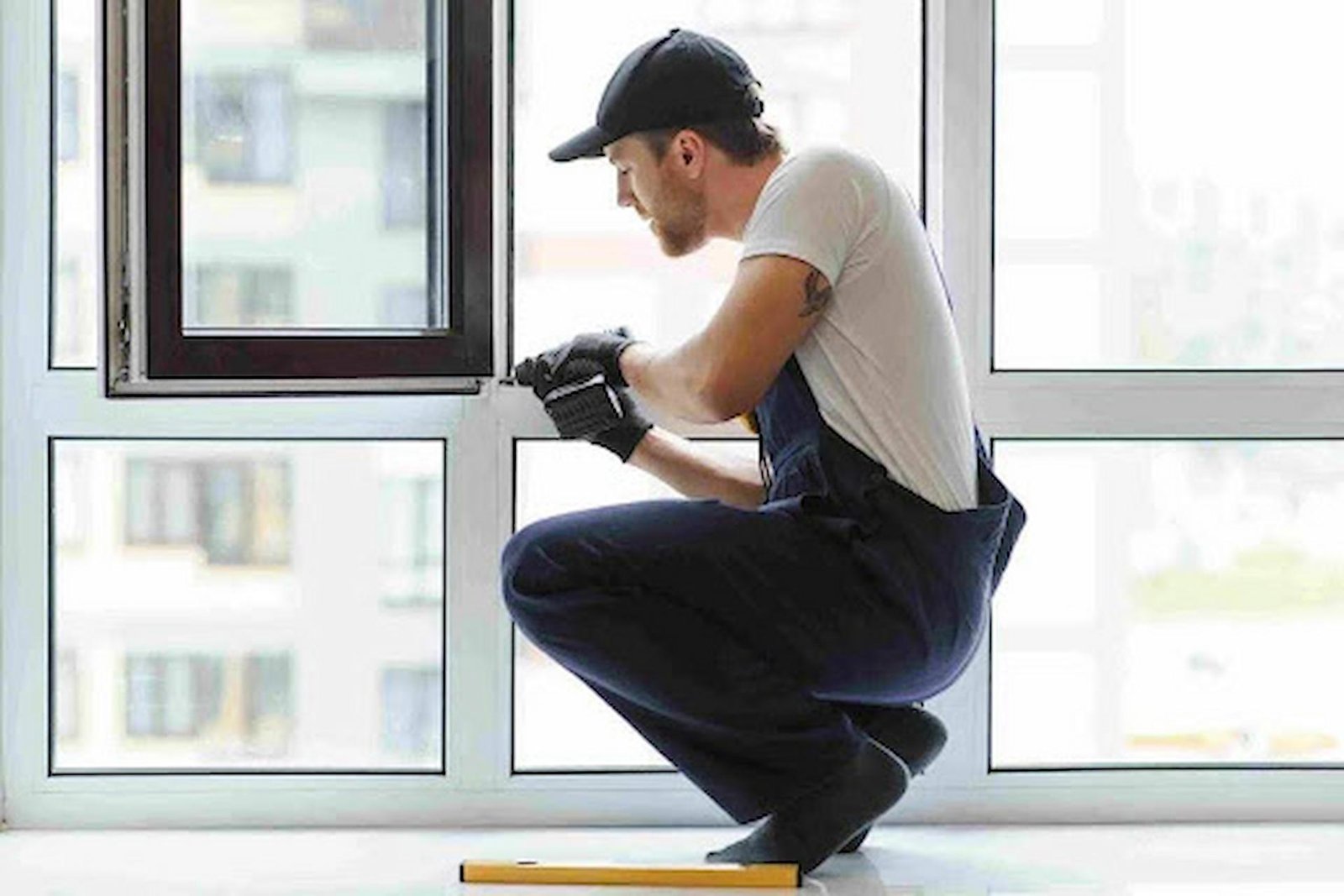
Light, warmth, security, and comfort increasingly depend on the quality of glass in a home. From energy efficiency to modern design, glazing decisions quietly shape everyday living. Knowing when specialist support is required can save time, money, and future repairs while ensuring renovations deliver lasting value.
Home renovation has evolved beyond paint colours and furniture choices. Today, homeowners think carefully about light flow, insulation, safety, and long-term efficiency. Windows, doors, and glass features sit at the centre of these priorities. The role of a Glazing Company has therefore become far more strategic than many realise.
Modern glazing is not just about fitting glass into frames. It supports energy performance, enhances comfort, improves security, and contributes to a property’s visual identity. With rising energy costs and stricter building expectations, glazing choices can influence running expenses for decades. Knowing when professional glazing support is essential helps homeowners make confident, informed renovation decisions.
Why Glazing Plays a Bigger Role in Homes Today
Energy efficiency is no longer optional
Homes are expected to perform better thermally than ever before. According to UK housing data, around 20–30% of heat loss in older properties occurs through windows. Modern glazing solutions reduce this loss significantly by using insulated glass units, specialist coatings, and improved sealing.
Double and triple glazing work by trapping air or gas between glass panes. This slows heat transfer, helping homes stay warmer in winter and cooler in summer. The result is reduced reliance on heating and cooling systems, leading to lower energy bills and improved comfort throughout the year.
Natural light as a design priority
Homeowners increasingly prioritise daylight. Natural light improves mood, reduces artificial lighting use, and makes spaces feel larger. Thoughtfully designed glazing allows light to travel deeper into interiors without compromising privacy or temperature control.
Large windows, roof glazing, and internal glass partitions are now common renovation features. These elements require careful specification to avoid glare, overheating, or heat loss—issues best addressed during professional planning rather than after installation.
What a Professional Glazing Service Actually Does
More than installation
Many people assume glazing is limited to fitting windows. In reality, professional services cover assessment, specification, manufacturing guidance, installation, and compliance checks. Each stage matters. Poor measurement or unsuitable glass selection can lead to drafts, condensation, or safety concerns.
A professional team evaluates how glass will interact with the building’s structure, orientation, and usage. This ensures that performance and longevity are prioritised alongside appearance.
Understanding safety and regulations
Glass is governed by building regulations designed to protect occupants. Safety glass is required in doors, low-level windows, bathrooms, and high-traffic areas. These materials are designed to resist impact or break safely if damaged.
Professionals ensure that installations meet current standards without homeowners needing to navigate technical rules alone. This reduces liability risks and avoids costly rework later.
Key Areas Where Glazing Impacts Renovations
Windows: performance meets aesthetics
Modern windows must balance insulation, ventilation, security, and style. Frame materials, glass thickness, coatings, and opening mechanisms all affect performance. Poor choices can result in condensation, noise intrusion, or security weaknesses.
Professionally specified windows integrate seamlessly with the building envelope, improving comfort without sacrificing design goals.
Doors and entrances
Glass doors enhance visual flow while maintaining separation between spaces. External glazed doors also influence security and thermal performance. Toughened or laminated glass is often essential, particularly in busy households.
Correct installation ensures smooth operation, weather resistance, and long-term durability.
Interior glass features
Glass is no longer confined to external walls. Internal partitions, balustrades, and screens create openness without sacrificing structure. These features require precise measurement and fixing to ensure stability and safety.
Specialist glazing support is particularly valuable here, as errors are more visible and harder to correct.
When It Makes Sense to Call a Specialist
Renovations involving structural changes
If walls are being removed or openings enlarged, glazing becomes a structural consideration. Incorrect installation can compromise insulation, weatherproofing, or even building integrity. Professional input at the planning stage helps avoid these risks.
Persistent condensation or drafts
Condensation between panes, cold spots near windows, or rising energy bills often indicate failing or outdated glazing. Replacing units requires accurate diagnosis to avoid repeating the same issues.
Noise reduction requirements
Homes near roads, railways, or busy areas benefit from acoustic glazing. This uses varying glass thicknesses to disrupt sound waves. Correct specification is essential to achieve noticeable noise reduction.
The Midway Perspective: Planning Before Problems Appear
At the centre of a successful renovation is foresight. Engaging a Glazing Company during design planning allows glass to support broader renovation goals rather than becoming an afterthought. Early input helps align budgets, timelines, and expectations while avoiding compromises that reduce long-term value.
Common Glazing Options Explained Simply
Double vs triple glazing
Double glazing uses two panes of glass with a sealed gap, offering solid insulation for most homes. Triple glazing adds a third pane, improving thermal performance further but at a higher cost and weight.
The right choice depends on property type, location, and energy priorities rather than assuming more panes are always better.
Low-emissivity (Low-E) glass
Low-E glass has a thin coating that reflects heat back into the room while allowing light through. This improves insulation without reducing brightness, making it a popular option in modern renovations.
Laminated glass
Laminated glass includes a plastic layer between panes. It holds together when broken, enhancing safety and security. It also offers some noise reduction benefits.
Practical Tips for Homeowners Planning Glazing Work
- Assess glazing early in renovation planning rather than at the finishing stage
- Prioritise energy performance alongside visual appeal
- Ensure safety glass is specified where required by regulations
- Ask about maintenance and lifespan expectations
- Confirm compliance documentation is provided after installation
These steps help prevent unexpected costs and performance issues later.
Long-Term Value of Quality Glazing
Well-chosen glazing improves daily comfort while contributing to property value. Energy-efficient homes are increasingly attractive to buyers, and modern glazing plays a visible role in that perception. Reduced noise, stable indoor temperatures, and improved security all support long-term satisfaction.
While glazing may represent a significant upfront investment, its benefits extend across decades of use. Professional planning ensures that this investment delivers consistent returns rather than ongoing repairs or replacements.
Final Overview
Modern renovations demand more from glass than ever before. It must insulate, protect, illuminate, and complement design choices without compromise. Working with a Glazing Company at the right moment transforms glazing from a simple building component into a strategic asset.
Homeowners considering upgrades, extensions, or energy improvements benefit most when glazing is treated as a core element rather than a finishing touch. Thoughtful decisions today reduce future costs, improve comfort, and ensure renovations remain effective as standards continue to rise. When clarity, efficiency, and long-term performance matter, professional glazing support is not an extra—it is a smart foundation for a better home.